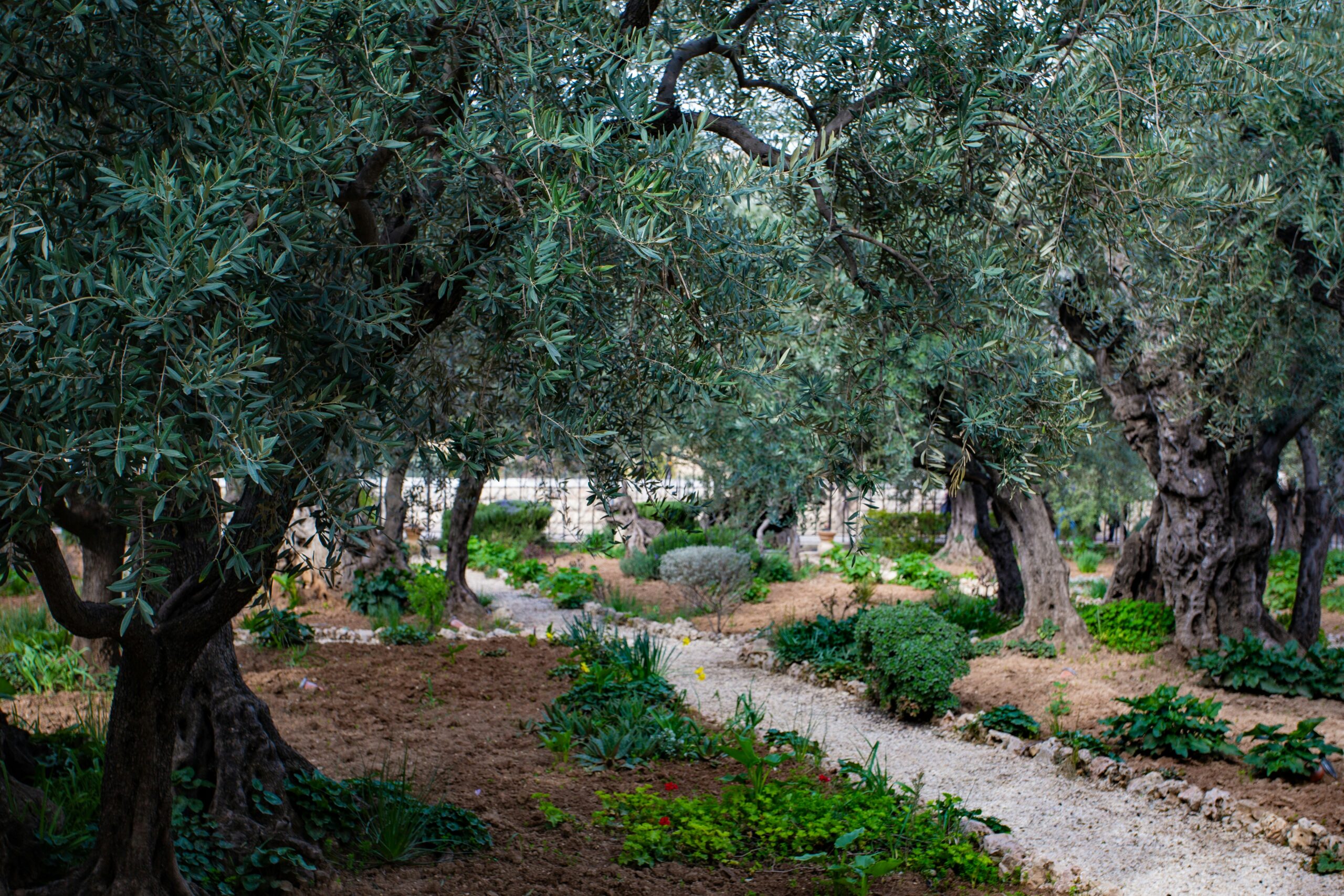
I had been working overtime for several months and needed a break. One of my friends had been working in Jerusalem for several years with a contract that was about to end. It was definitely on my bucket list to go to Jerusalem. We walked the “Via Dolorosa”, the way of pain. We went to the “Church of the Holy Sepulchre” where the Roman Catholic, Greek Orthodox, Armenian Apostolic, Coptic, Syriac Orthodox and Ethiopian Orthodox church all crowded together. Everyone wants to be close to their God, to feel the ghosts of their past passing near by.
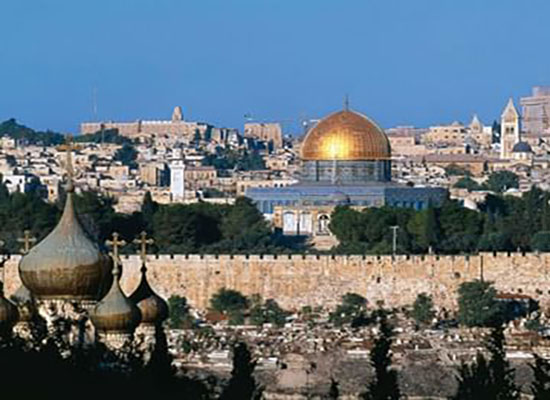
God’s crown! That’s how the taxi driver describes Jerusalem. We don’t have time to figure out what he means. We make our way around a multitude of market stalls in the old city district. Three religions, three stories must come together here to manage their personal contact with God. Jewish Temple Mount, the site of Jesus’ crucifixion and Muhammad’s ascension. It’s a struggle for identity, power and holiness. There are various guided tours to all holy places in the area, regardless of which religion interests you. Jerusalem smells of food, incense and tourists. There are prayers imprinted in the wall of complaint, but it’s not just there; the whole city is overflowing with prayers. Everyone wants to express their beliefs, communicate and pray.
So much historical trauma that wants to be healed, still waiting for its own resurrection and returning to God. Until that happens, everyone keeps praying. There are many spiritual hordes here who hold on tightly to their holy things, religious artifacts and holiday relics. In the old city there is much to see, experience and buy.
Generosity and participation. The people of Jerusalem share what they have. They are happy to share their personal stories, they share their recipes and they share their family history. An old, kind man tells me how he makes his bagels. Another person talks about a recipe for hummus. Empathetic, kind-hearted people with strong convictions meet and live here and have their conflicts side by side. Eternity seems so far away.
I think of Amos Oz’s book “How to Cure a Fanatic” where he describes a story about a man who meets God in a small café. When he asks God which faith is the right one, God replies: “To put it bluntly, my son, I am not religious. I have never been religious; I am not even interested in religion”. Amos also expresses a sad irony in the face of how the occupied become occupiers and the oppressed oppressors, how easily yesterday’s victims can become tormentors, how easily the roles are reversed”. The solution for him is compromise. “The opposite of compromise is not integrity, not idealism, not purposefulness or devotion. The opposite of compromise is fanatism and death”.
There are so many people from all over the world that are yearning for Jerusalem.
We eat at The American Colony Hotel Jerusalem where many celebrities have stayed when they visited Jerusalem. The American Colony Hotel Jerusalem, a good place to stay. Selma Lagerlöf (1858-1940) was a Swedish author. In 1909 she became the first woman to ever receive the Nobel Prize in Literature. She wrote” Jerusalem”, a story about Swedish farmers converting into an evangelical Christian group and travelling to “The American Colony” in Jerusalem.
The song “Jerusalem” by Nomcebo Zikode (from South Africa who originally sang it) has a catchy song that grew big during the stay-at-home covid times when we all needed to move more. The song is about love and the longing for a spiritual home when earthly difficulties are piling up. The longing for God and for Jerusalem is worldwide.
All these people who look for God’s love and protection are looking for a small corner of this city to be able to pray to their God. The poet Rainer Maria Rilke wrote “The highest form of love is to be the protector of another person’s solitude”.