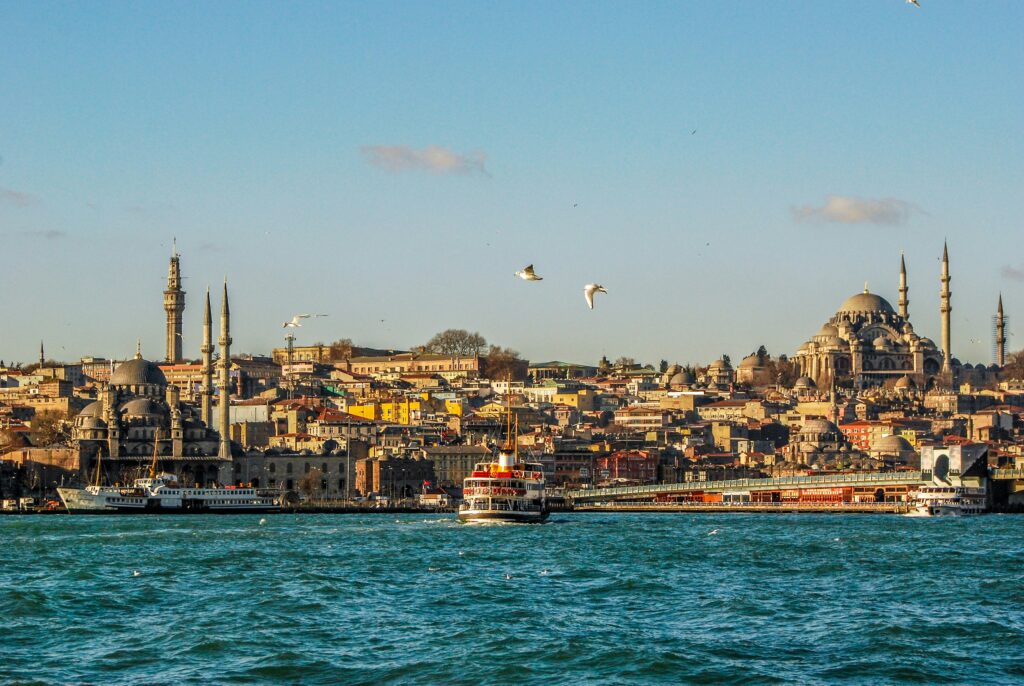
There is a quiet self-confidence about a city like Istanbul—a city with roots dating back to 657 BC. It was known as Constantinople until 1930, and before that as Byzantium—names that still echo with history. The city has long been an important meeting place between Europe and Asia. A vast, ancient metropolis that continues to rise each day, growing to meet its ever-increasing population. It is said that a third of Turkey’s economy is driven by Istanbul.
A good friend of the family once returned from a trip to Istanbul and told me how he had lost the guide the hotel had arranged for him during a shopping trip to the Grand Bazaar. He said he had felt as if he were in heaven at the sight of all the spices, carpets, and fabrics he had dreamed of. But as he wandered through the market, he became increasingly overwhelmed by everything he saw—everything he wanted to buy.
He started moving faster between the tables so as not to miss anything, he hurried between people, pushed his way through to see everything, before someone else bought exactly what he wanted. He had started to jog. Suddenly he felt a pressure on his chest. A heavy pain. People everywhere. No one he recognized. People laughing. Talking. Looking. As if his world had started to spin. He didn’t recognize anyone and no one recognized him. No one seemed to see that he needed help. Above all, no one understood what he was trying to say, because he couldn’t get anything out. He thought he was going to die.
But then suddenly he feels a hand on his shoulder, some men look at him as he sinks to the ground. When he wakes up, he is sitting on the threshold of a small shop. His guide had found him. It turned out that he had had a panic attack and then fainted. He would not die. He would even be able to continue shopping, the guide said. But he felt satisfied.
In Istanbul, politics, religions and artistic expression have long come together in a swirling, flavorful experience. Sultanahmet is the heart of historic Istanbul and a UNESCO World Heritage Site, located in the Fatih district. Trips to Istanbul often take in iconic landmarks such as Hagia Sophia, Topkapi Palace, the ancient Hippodrome, Çemberlitaş Hamam, Uchisar Castle, Goreme Open Air Museum and the Derinkuyu Underground City and the Blue Mosque. There is also a beautiful way of experiencing different parts of Istanbul by boat or cruises.
When I was in Istanbul, I of course thought about the risk of getting lost. We were going to see the art museum at Heroes’ Square, eat fresh fish at Robinson, visit the Franz Liszt Museum. In his book “My name is red,” Orhan Pamuk wrote, “I don’t want to be a tree; I want to be its meaning.” We decided to find the museum of innocence, which is an installation about Pamuk’s writing of the book of the same name. Hafiz Mustafa has delicious baklava and while walking check out famous street art.
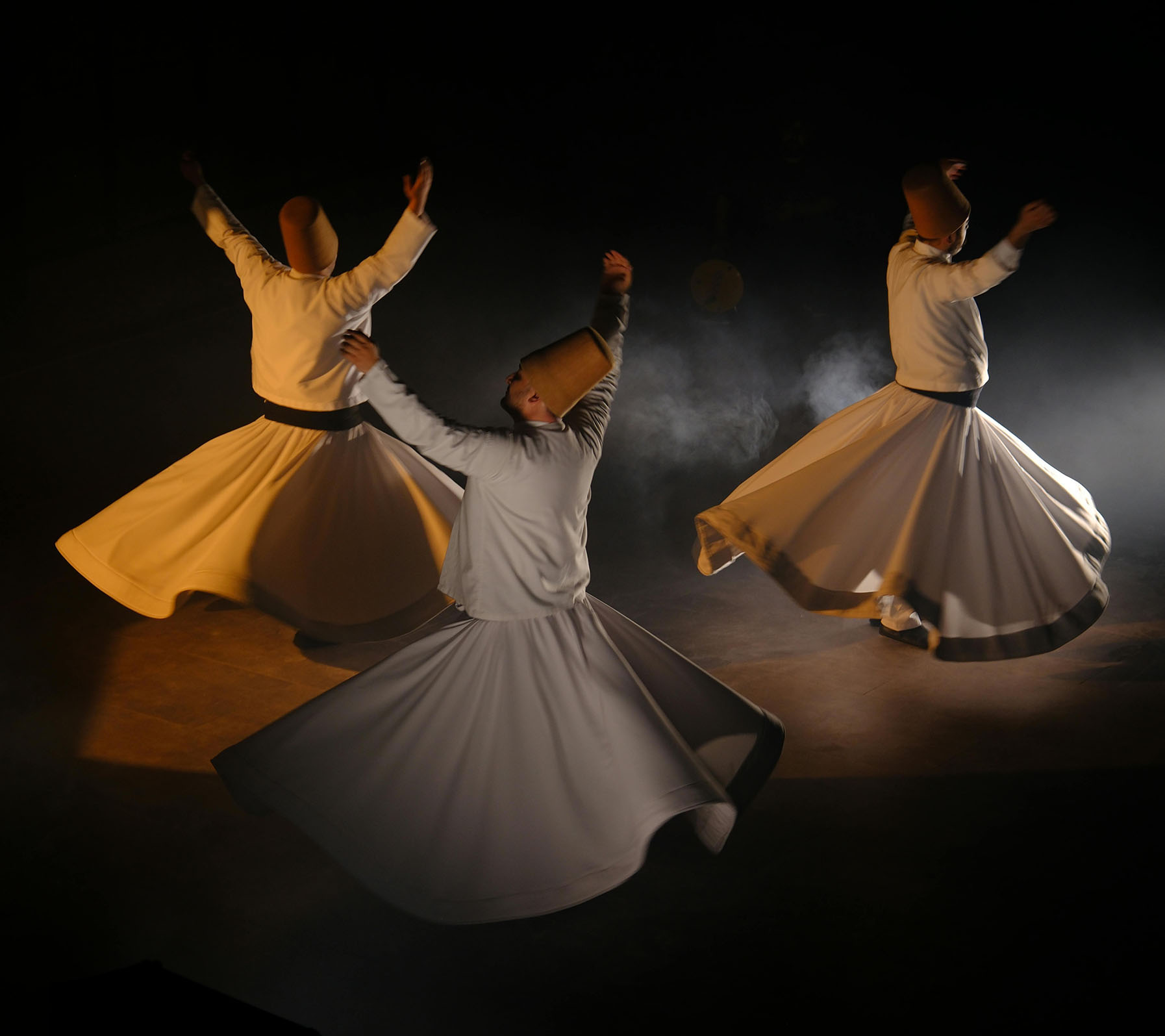
Agatha Christie wrote part of “Murder on the orient express at Pera Palace hotel. I can recommend Pera Palace hotel, such a beautiful hotel. There will also be an “Alfred Hitchcock Suite” in the hotel. And don’t forget to see the whirling dervishes in Istanbul, their dance is a prayer that has been danced for more than 800 years, a dance where the ego disappears or merges into the universe, a ritual with roots in the mysticism of Sufism. Love and acceptance are the central themes.
It is dizzying.Of course we had to visit the Grand Bazaar, which is the most famous market, dating back to the mid-15th century, and today has over 4,000 shops. In Istanbul’s markets you can find, among other things, musical instruments, clothes, spices, Turkish plates, lamps, sweets, hookahs, beautiful backgammon games, dried fruit, fabrics and spices.
If we got separated, we would meet at the main shopping street, Váci utca, and it was a smart plan until we realized that there was a Váci ût.
A guide would be good.
I remembered that Luc de Clapiers wrote Nothing but courage can guide life.